
Unlocking Fun and Learning: How Casual Games Can Transform Educational Experiences
In today’s digital age, technology and education are intertwined more than ever before. One interesting development has been the rise of casual games in the realm of education. These games, designed for entertainment and broad appeal, can serve as powerful tools for learning, effectively engaging students and enhancing their educational experiences. In this article, we’ll explore how casual games can transform the educational landscape, making learning fun and impactful.
The Rise of Casual Gaming
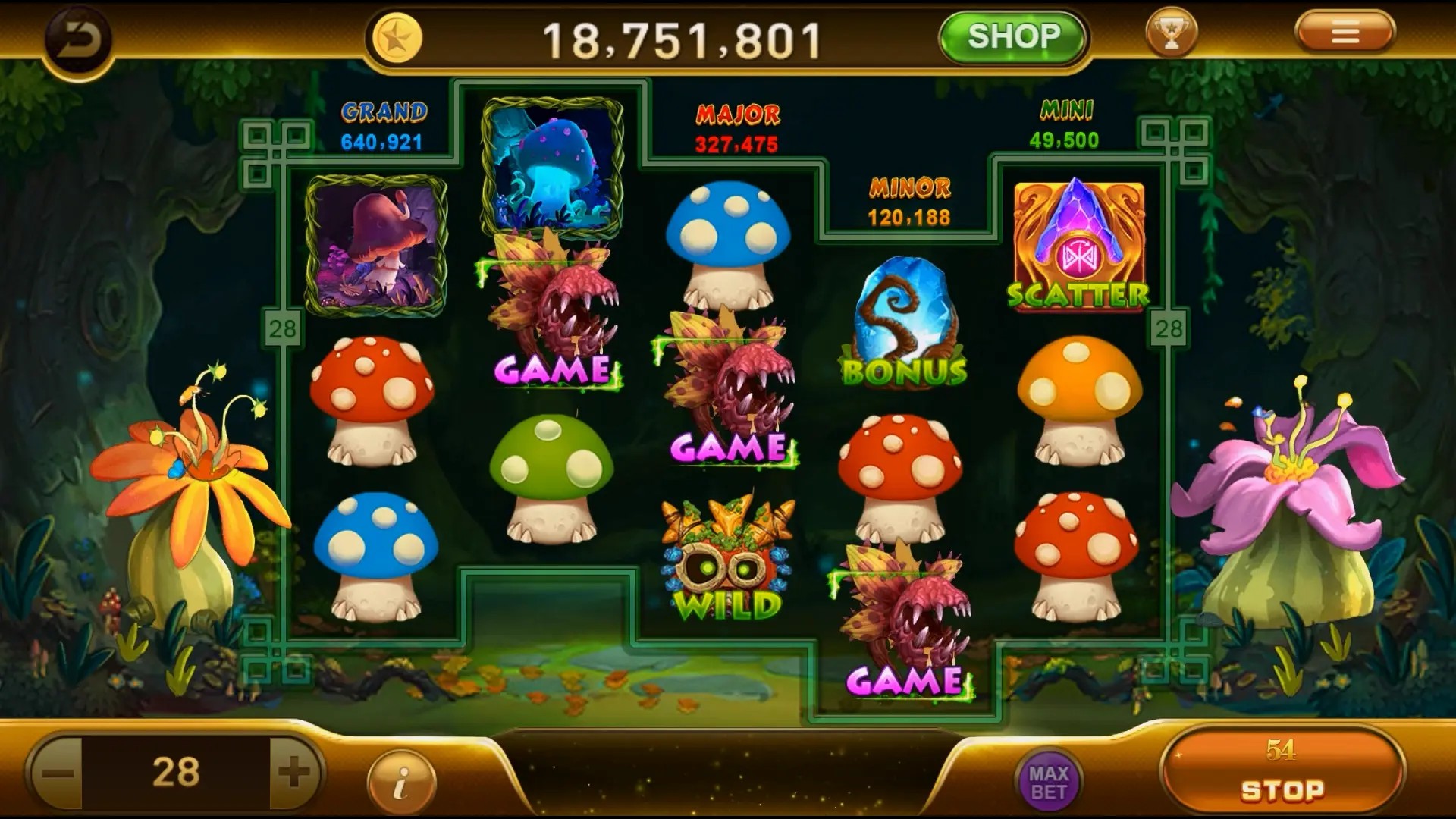
Casual gaming has surged in popularity over the last decade, drawing players of all ages. With user-friendly interfaces and engaging gameplay, these games can be played anywhere and anytime. From mobile devices to consoles, casual games like Clash of Clans have captivated players primarily due to their simple mechanics and competitive elements. This engaging nature has prompted educators to consider the benefits of incorporating these games into their teaching methodologies.
What Are Educational Games?
Educational games are specifically designed not just for amusement but to provide learning opportunities. They can cover a wide range of topics, from science to language arts. The essence lies in their ability to impart knowledge while maintaining an interactive and enjoyable experience. Let’s dive deeper into how the fun aspect of casual games can blend seamlessly with educational goals.
Making Learning Fun
Studies have shown that engaging learners through fun activities fosters better information retention. Casual games pique students' interest, making them more inclined to participate in learning activities. This creates a positive feedback loop where students learn more effectively and eagerly pursue knowledge.
Engagement and Motivation
The key to successful learning is engagement. Casual games offer an innate challenge that keeps players coming back for more. When applied in an educational context, this can significantly improve students' motivation levels. By integrating rewards, levels, and competitions common in casual games, educators can enhance student engagement.
Examples of Casual Games in Education
From mobile applications to classic board games, casual games come in various formats. Here is a quick list of some highly effective educational games:
- Kahoot! - A game-based learning platform.
- Quizlet - Flashcard-based learning tool.
- Prodigy - A math-focused RPG that engages learners.
- Duolingo - A language-learning platform utilizing gamification.
The Importance of Accessibility
Casual games are typically designed to be highly accessible. They often require only a few minutes to play, fitting easily within a busy school schedule. This is crucial for educators who wish to integrate these tools without overwhelming their students. Accessibility ensures that all learners, regardless of varying levels of academic performance, can participate.
Social Learning through Casual Games
Many casual games promote social interaction, either through competition or collaboration. This social element can be particularly beneficial in educational settings, offering opportunities for students to work together, share ideas, and engage in team-based problem-solving. Such collaborative learning experiences can significantly enhance students' understanding and retention of material.
Incorporating Technology in Classrooms
Integrating casual games into education requires educators to embrace technology. Smart boards, tablets, and other digital tools can facilitate this integration, allowing for an interactive and immersive experience. Teachers must stay updated with new technologies to find innovative ways to employ them in classrooms.
Challenges and Considerations
While casual games have many benefits, there are also challenges to consider. Not every game is suitable for educational use, and assessing the quality and educational value of a game is essential. Here are some key considerations:
- Ensuring alignment with curriculum objectives.
- Monitoring student engagement and progress.
- Providing appropriate training for educators on game implementation.
Creating a Balanced Learning Environment
Educators must strike a balance between traditional teaching methods and incorporating casual games. A hybrid approach allows teachers to utilize various strategies, appealing to all learning styles. It’s essential to ensure that while games are a key component, they don't overshadow other vital educational practices.
The Future of Casual Games in Education
Looking ahead, the potential for casual games in education appears promising. As technology evolves, we can expect even more dynamic learning experiences. Imagine good RPG games for Xbox being utilized in classrooms to teach history through immersive storytelling! The possibilities are virtually endless.
Conclusion
Incorporating casual games into education can unlock remarkable potential for engagement, motivation, and fun in learning. By embracing this innovative approach, educators can transform traditional teaching methods, making education a more interactive and enjoyable journey. With careful implementation and a focus on appropriate games, casual gaming can create a vibrant learning environment that inspires students to achieve their best.


















| Factors | Benefits |
|---|---|
| Engagement | Higher retention and understanding |
| Accessibility | Inclusive for all learners |
| Social Interaction | Enhances teamwork and communication skills |