MMORPGs vs. Real-Time Strategy Games: Which Gaming Genre Dominates Today's Market?
In the vibrant world of gaming, two genres stand out remarkably: MMORPGs (Massively Multiplayer Online Role-Playing Games) and real-time strategy games (RTS). Each genre boasts a dedicated fan base and unique gameplay experiences that stimulate discussions among players and critics alike. Let's delve into the fascinating dynamics between these genres and see which one truly dominates the market today.
The Allure of MMORPGs
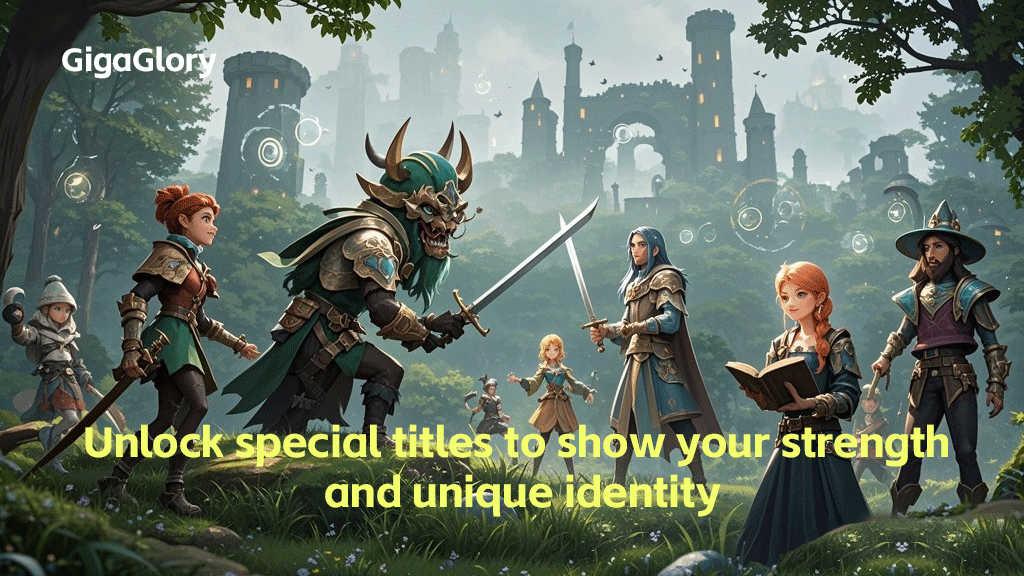
MMORPGs have taken the gaming world by storm, providing players with immersive experiences in expansive fantasy worlds. These games allow players to create their characters, embark on quests, and engage with other players from around the globe. Popular titles like World of Warcraft and Final Fantasy XIV illustrate the genre's ability to cultivate communities and offer endless content.
- Character Customization: Players have the freedom to create unique characters.
- Community Interaction: MMORPGs thrive on social networking and cooperative gameplay.
- Endless Quests: The vast world often features myriad quests and adventures.
Real-Time Strategy Games: The Brain's Battlefield
On the flip side, real-time strategy games captivate players who enjoy tactical thinking and resource management. Unlike MMORPGs, these games focus on building armies, managing resources, and strategizing in real-time. Classics such as StarCraft and Age of Empires demonstrate how RTS games require quick decision-making skills and sharp planning.
| Feature | MMORPGs | RTS Games |
|---|---|---|
| Gameplay Style | Character-driven, social | Tactical, strategic |
| Community | Large, engaging | Competitive, focused |
| Learning Curve | Gradual | Steep |
The Rise of Browser Games
In recent years, browser games like Last War Survival have also gained traction among gamers, offering accessible gameplay that requires no downloads. This adds a fascinating layer to the discussion between MMORPGs and RTS games.
- Accessibility: Browser games can be played anywhere, anytime.
- Time Commitment: Ideal for casual gamers looking for quick sessions.
- Community Engagement: Players can easily connect without the need for extensive setup.
Key Takeaways
Both MMORPGs and real-time strategy games cater to different player preferences, making it difficult to declare an outright winner. However, several key points emerge:
- Engagement: MMORPGs excel in community-driven gameplay.
- Strategy: RTS games demand higher levels of tactical skills.
- Accessibility: Browser games bridge the gap for casual gamers.
Conclusion
The gaming landscape is vast and varied, with MMORPGs and real-time strategy games occupying unique niches. While MMORPGs create immersive worlds and vast communities, RTS games challenge players with tactical depth. Ultimately, the preference boils down to personal taste. Do you enjoy immersing yourself in a vibrant community, or do you thrive on strategic planning? In the end, both genres contribute to the richness of gaming culture, captivating millions of players worldwide.